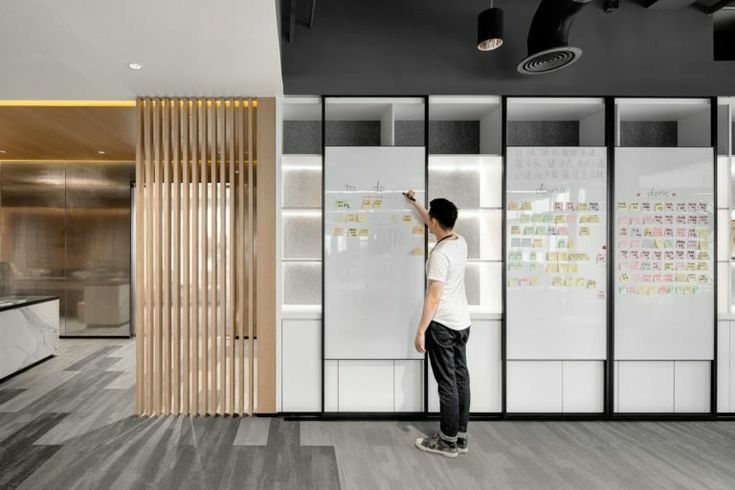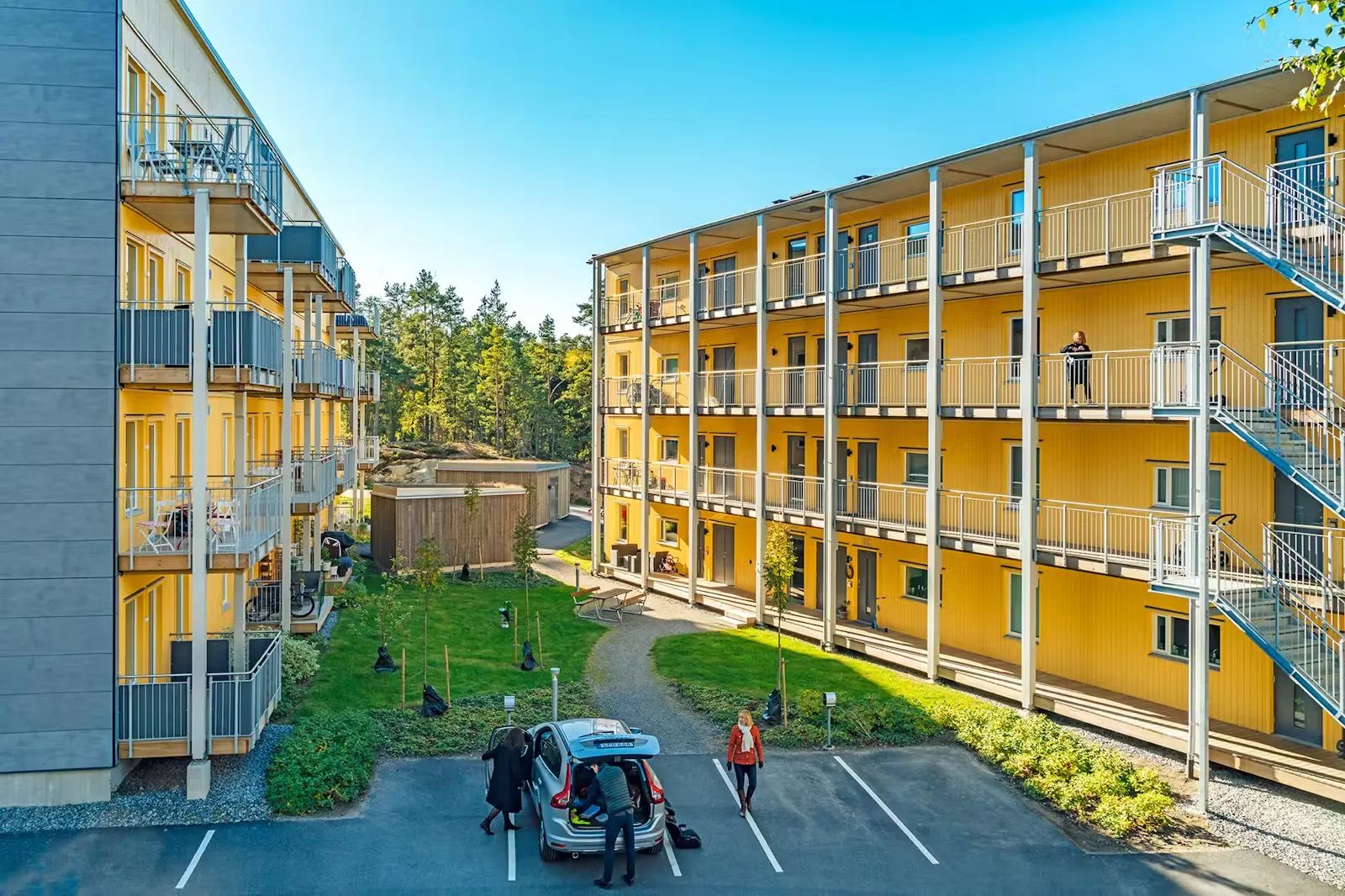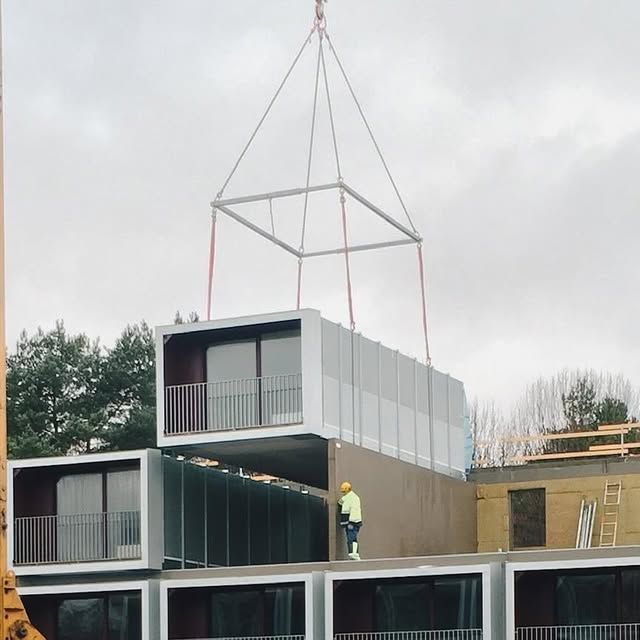
By shifting much of the building process from traditional job sites to controlled factory environments, modular construction fundamentally changes how we design, build, and deliver buildings.
As the construction industry faces growing pressure to reduce its environmental footprint, modular construction has emerged as a powerful solution. By shifting much of the building process from traditional job sites to controlled factory environments, modular construction fundamentally changes how we design, build, and deliver buildings. One of its most significant sustainability advantages is waste reduction, but the environmental benefits go far beyond that.
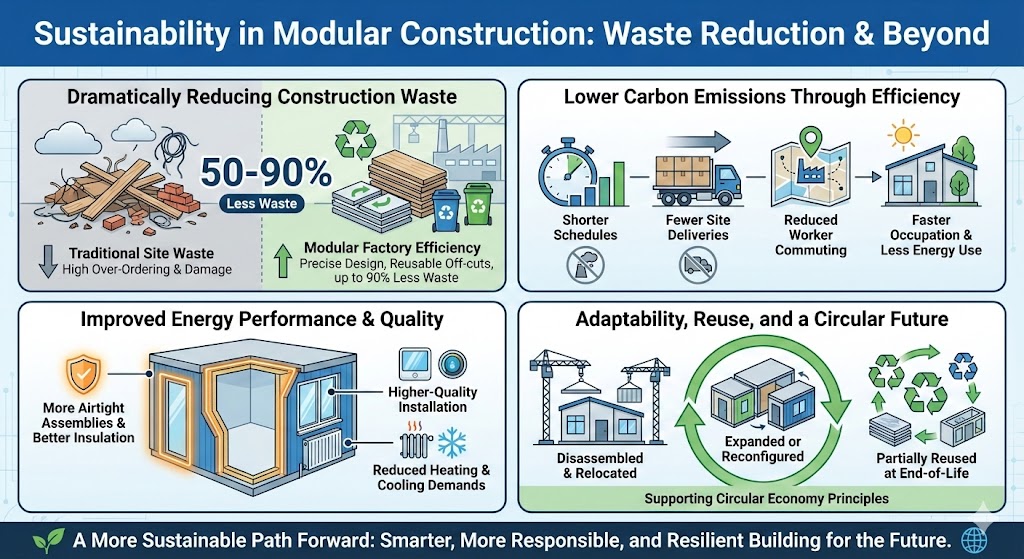
Dramatically Reducing Construction Waste
Conventional construction is notoriously wasteful. Materials are often over-ordered, damaged by weather, cut inaccurately on-site, or discarded due to poor coordination between trades. In contrast, modular construction relies on precise digital design, standardized components, and repeatable manufacturing processes.
Because modules are fabricated in factories:
- Material quantities are accurately calculated, reducing excess ordering.
- Off-cuts and leftovers are minimized, and when they do occur, they can often be reused or recycled within the factory.
- Weather-related damage is virtually eliminated, preventing warped wood, ruined insulation, or contaminated finishes.
- Quality control is consistent, reducing rework and demolition caused by errors.
Studies frequently show that modular construction can reduce material waste by up to 50–90% compared to traditional on-site building. This reduction not only conserves resources but also significantly lowers the volume of waste sent to landfills.
Lower Carbon Emissions Through Efficiency
Waste reduction is only part of the story. Modular construction also contributes to sustainability by reducing overall carbon emissions.
Factory-based construction allows for:
- Shorter construction schedules, which means less energy consumption from equipment and temporary site operations.
- Fewer site deliveries, as materials are consolidated and transported more efficiently.
- Reduced worker commuting, since labor is centralized in factories rather than dispersed across multiple job sites.
Additionally, because modular projects are often completed faster, buildings can be occupied sooner, reducing the energy and emissions associated with prolonged construction phases.
Improved Energy Performance and Building Quality
Modular buildings are typically designed with performance in mind. Factory conditions allow for tighter tolerances and better integration of building envelope components.
Key benefits include:
- More airtight assemblies, improving energy efficiency and reducing heating and cooling demands.
- Better insulation continuity, with fewer thermal bridges.
- Higher-quality installation of windows, doors, and mechanical systems, all of which contribute to long-term operational energy savings.
Over a building’s lifecycle, these performance improvements can result in substantial reductions in energy use and greenhouse gas emissions.
Smarter Use of Materials and Resources
Modular construction encourages a more responsible use of materials. Manufacturers often:
- Optimize designs for standard material dimensions, reducing cutting waste.
- Source materials in bulk, enabling better supplier sustainability practices.
- Integrate recycled or low-carbon materials more easily within a controlled production environment.
Water usage is also significantly reduced, as factories can implement closed-loop systems and avoid the inefficiencies of on-site water consumption.
Adaptability, Reuse, and a Circular Future
One of the most forward-looking sustainability advantages of modular construction is its potential for adaptability. Modular buildings can be:
- Disassembled and relocated
- Expanded or reconfigured
- Partially reused at the end of their service life
This flexibility supports circular economy principles, extending the useful life of building components and reducing the need for complete demolition and rebuilding.
A More Sustainable Path Forward
As cities grow and climate goals become more ambitious, the construction industry must rethink traditional practices. Modular construction offers a compelling alternative, one that significantly reduces waste, lowers emissions, improves building performance, and supports long-term sustainability.
By building smarter in factories and assembling more efficiently on-site, modular construction isn’t just changing how buildings are made, it’s helping ensure that the built environment is more responsible, resilient, and sustainable for generations to come.
Image Reference: Ella Developments