When people talk about modular construction, the focus often lands on speed, cost, and sustainability. But there’s a quieter hero behind...
When people talk about modular construction, the focus often lands on speed, cost, and sustainability. But there’s a quieter hero behind successful modular projects: structural connection systems.
These are the joints, locks, and nodes that allow modules or components to align, stack, resist loads, and get installed safely and repeatedly. Without the right connections, modular construction becomes slow, costly, and error-prone.
And here’s the challenge:
Custom bolt connections built for every project sound good in theory, but in reality, they’re expensive to engineer, hard to certify, and difficult to reproduce at scale. Every “unique detail” adds friction to manufacturing.
This is why the industry is increasingly turning to proven, off-the-shelf connection systems designed specifically for modular workflows:
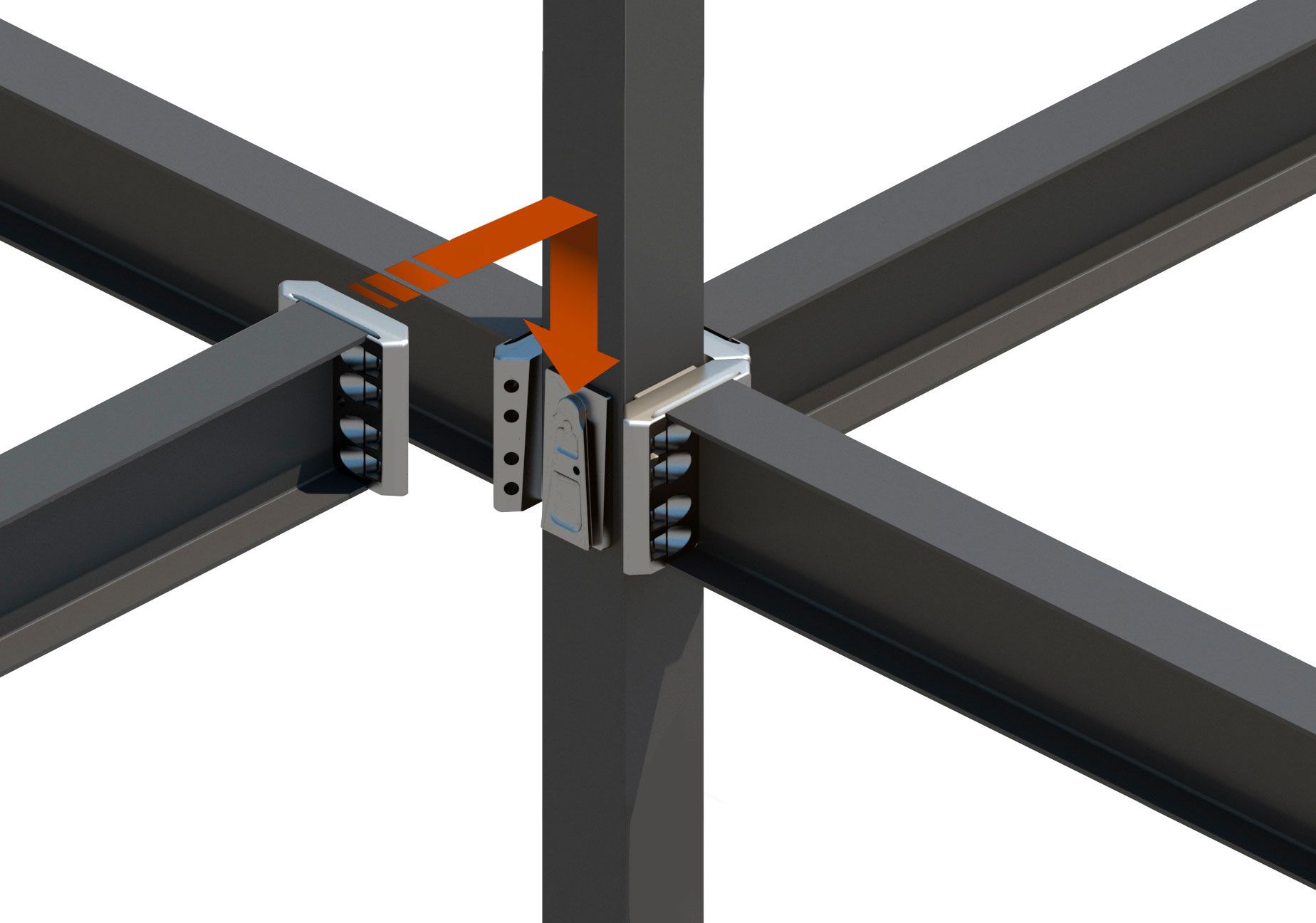
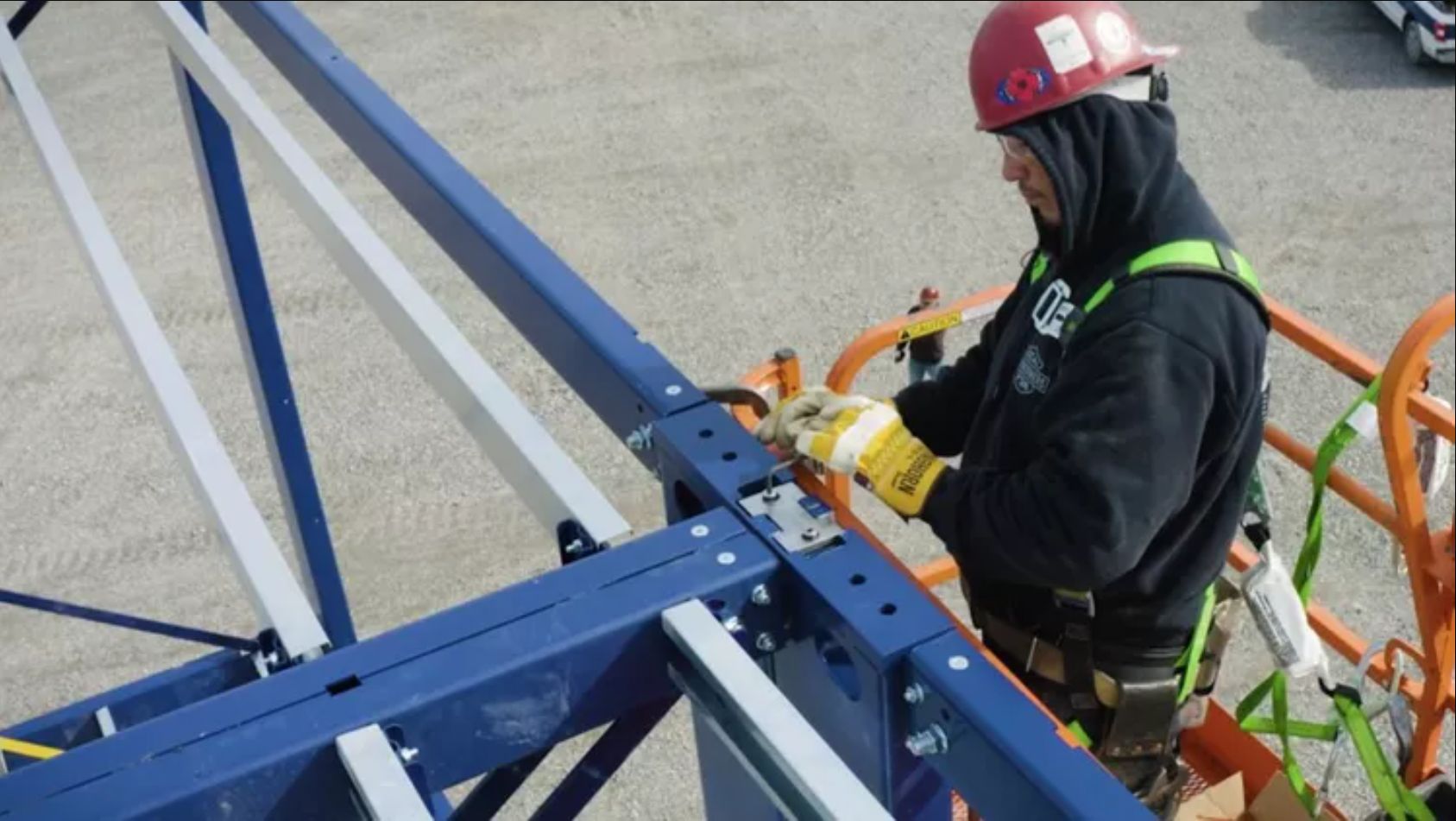
ConXtech: A steel moment frame system with gravity-locking collar connections that snap and secure during installation. Eliminates alignment guesswork, speeds up structural assembly, and dramatically reduces field welding.
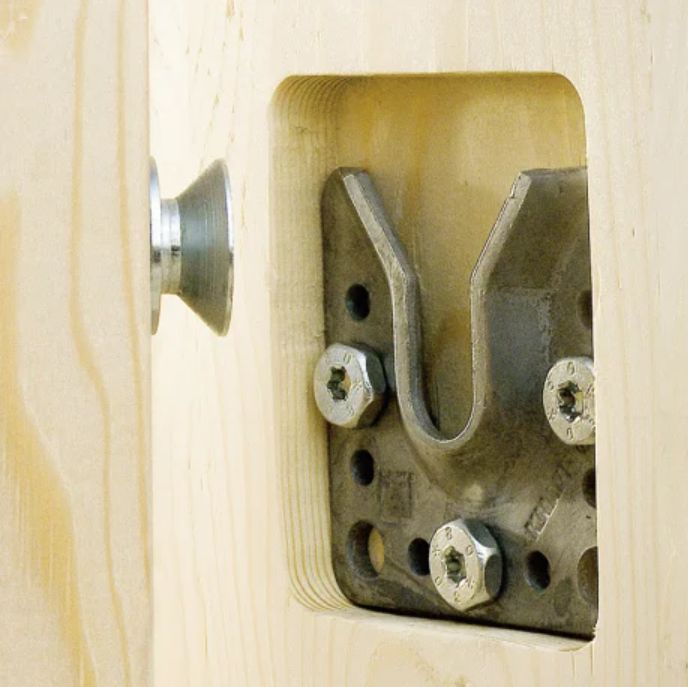
Knapp Timber Connections: Hidden connectors for wood modules that allow high precision with clean architectural lines. These enable fast on-site assembly without bulky plates or exposed hardware.
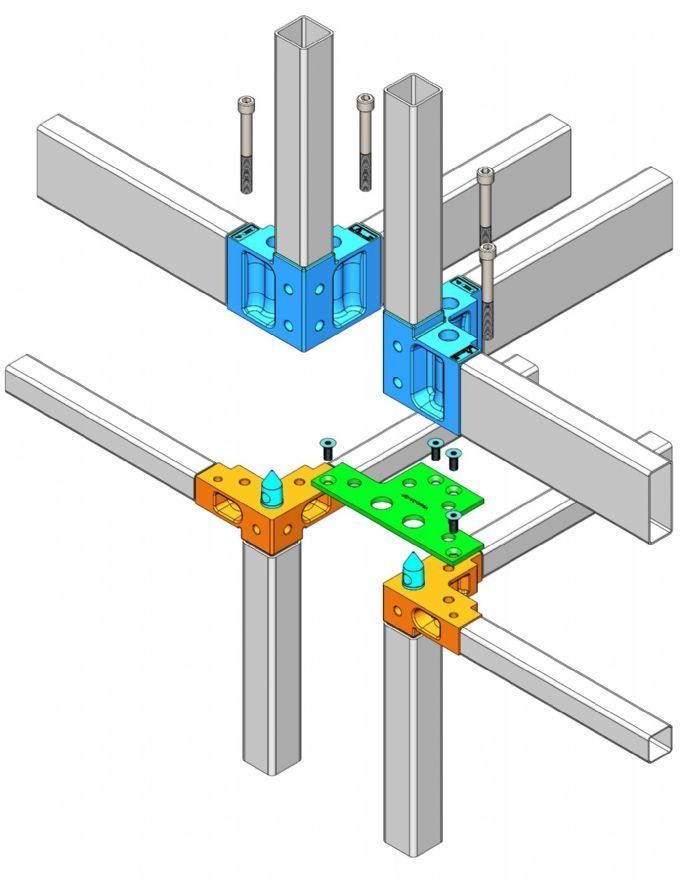
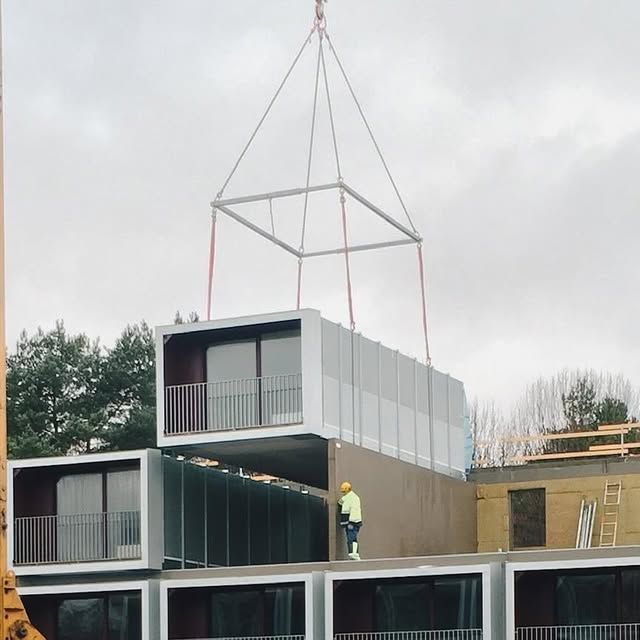
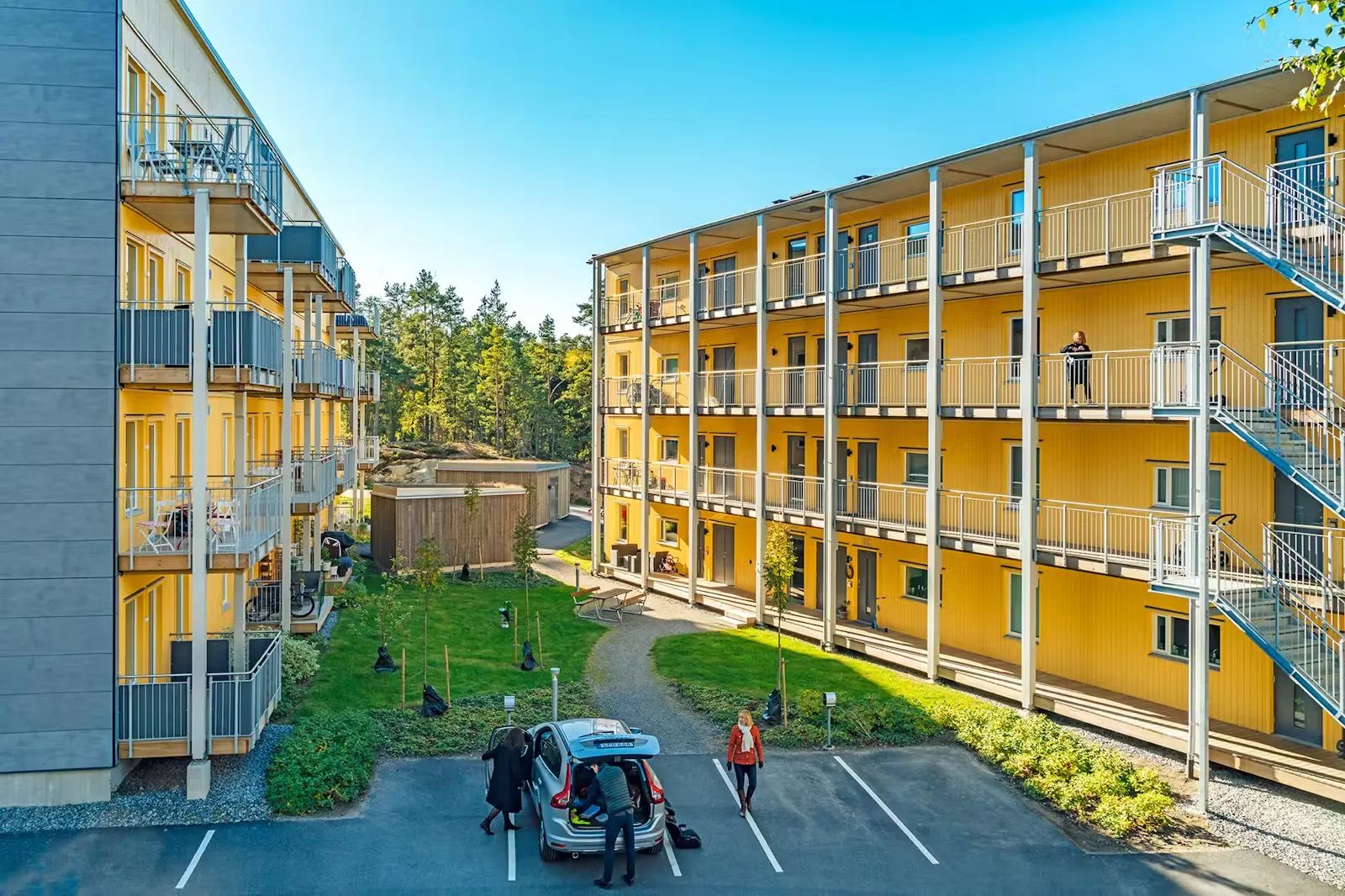
Z Bloc System (Z Modular): A volumetric steel connection system that standardizes the module corner node. It supports rapid repeatability across multi-storey modular buildings: used in several major Canadian modular residential projects (including ones we designed).
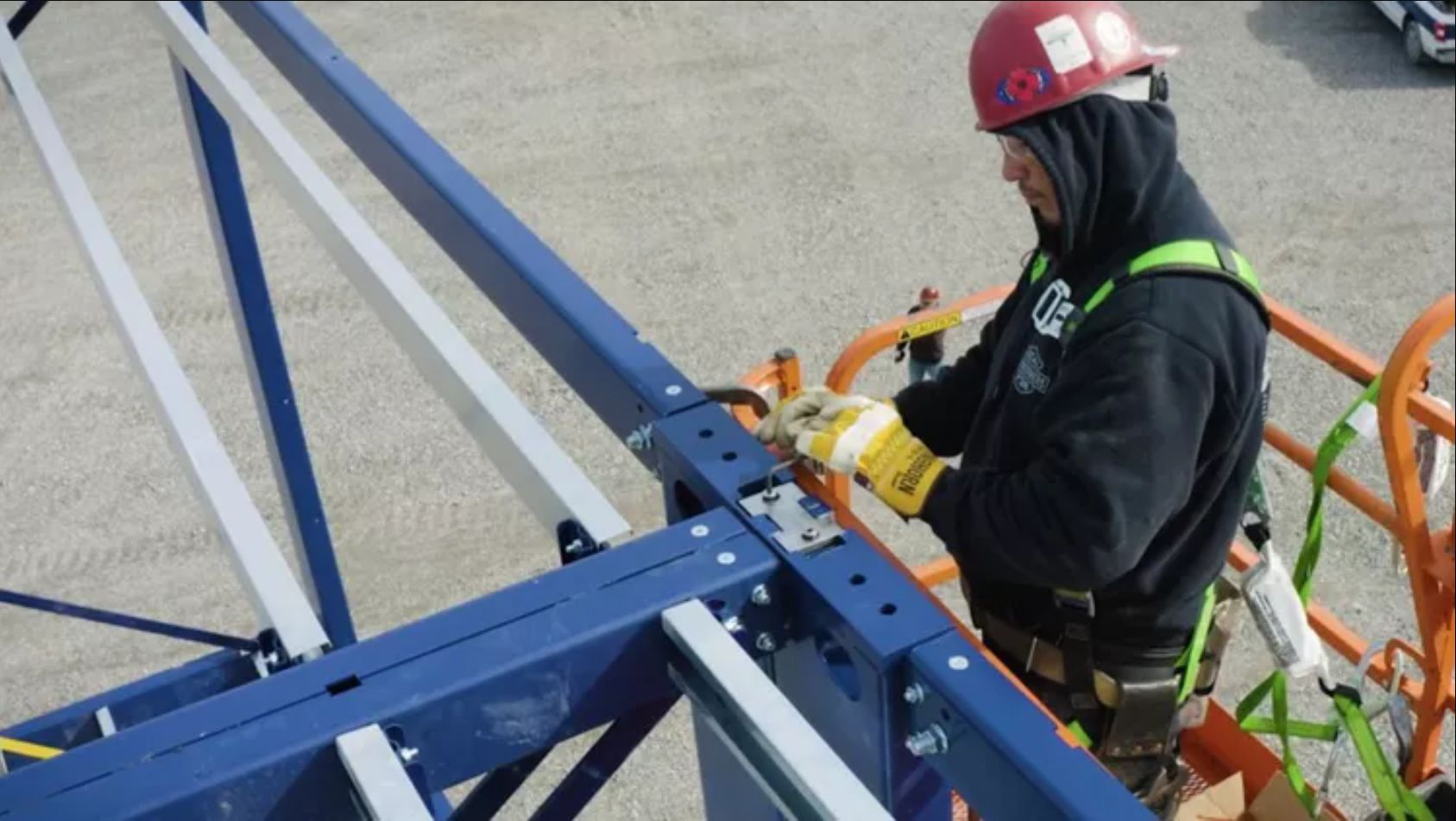
MetaloQ (by Julian Bowron, CID): Another modular structural system that treats the connection as the “DNA” of the building kit. Designed for manufacturability and robotic assembly, it points toward the next generation of automated modular fabrication.
The takeaway:
If we want modular construction to scale, we need standardized connection systems.
❌Not custom details on every project.
❌Not one-off steel plates.
❌Not ad-hoc on-site fixes.
Standardization is what unlocks speed, repeatability, lower cost, and quality control.
What do you think?
Should the modular industry converge on a few standardized connection systems, or continue developing project-specific structural approaches?
We’d love to hear perspectives from engineers, fabricators, and builders.